


For patients considering CAR-T therapy, choosing the right medical center can be just as important as choosing the treatment itself.
Today, CAR-T therapy is available in many countries. However, when dealing with a complex and potentially life-saving treatment, patients often look beyond availability and ask a different question:
Where can I receive CAR-T therapy from one of the world's most experienced and respected medical teams?
For many international patients, the answer is Sheba Medical Center in Israel.
Three Facts That Set Sheba Apart
When evaluating a CAR-T center, three numbers tell an important story:
- Sheba has been ranked among the Top 10 hospitals in the world by Newsweek for several consecutive years.
- More than 500 patients have undergone CAR-T therapy at Sheba.
- The program includes 95 pediatric patients, reflecting extensive experience treating both children and adults.
Taken together, these achievements place Sheba among the world's leading CAR-T centers.
A Hospital Recognized Among the World's Best
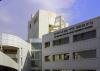
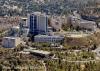
Sheba Medical Center is Israel's largest hospital and one of the most internationally recognized healthcare institutions.
For several consecutive years, Newsweek has ranked Sheba among the ten best hospitals in the world, alongside globally renowned institutions such as Mayo Clinic, Johns Hopkins Hospital, Massachusetts General Hospital, and Charité Berlin.
For patients and families facing difficult treatment decisions, this recognition provides independent confirmation of the hospital's commitment to medical excellence, innovation, patient care, and clinical outcomes.
More Than 500 CAR-T Patients Treated
Experience matters.
CAR-T therapy is a highly specialized treatment that requires expertise at every stage of the process—from patient selection and cell collection to monitoring and managing potential side effects.
More than 500 patients have undergone CAR-T therapy at Sheba, including 95 children. This depth of experience places Sheba among the world's leading CAR-T centers and reflects nearly a decade of expertise in treating both adult and pediatric patients.
Importantly, CAR-T treatment does not end with the infusion itself. Patients require close monitoring by physicians and nurses who understand the unique challenges associated with cellular therapy, including cytokine release syndrome (CRS), neurological complications, infections, and long-term follow-up. The extensive experience of the CAR-T team is one of the reasons why patients from around the world choose Sheba for treatment.
Not Just a CAR-T Provider – A CAR-T Innovator
Many hospitals administer commercially available CAR-T therapies.
Sheba is also helping shape the future of cellular therapy.
The medical center is actively involved in the development of next-generation CAR-T technologies and participates in international clinical research programs. Researchers at Sheba are exploring new targets, new manufacturing approaches, and new applications for CAR-T therapy beyond traditional blood cancers.
This commitment to innovation helps ensure that patients are treated in an environment where new scientific advances are rapidly translated into clinical care.
Strong International Collaboration
One of the reasons for Sheba's global reputation is its close collaboration with leading academic institutions, biotechnology companies, and healthcare organizations in the United States and Europe.
These partnerships help keep Sheba at the forefront of medical innovation and provide patients with access to treatment approaches based on the latest scientific developments.
For international patients, this means receiving care at a hospital that is deeply integrated into the global medical community.
Read More About Sheba's CAR-T Activity >>
(Detailed overview of Sheba's CAR-T program, including treatment outcomes, indications, and program development.)
Interested in CAR-T Therapy at Sheba?
Contact us for a review of your medical records and an initial assessment of your treatment options.
Publication date: June 2026