





If you're considering traveling to Israel for CAR-T therapy, you're probably wondering what the process is really like. How many tests will I need? How long will I stay in the hospital? What happens after the CAR-T infusion? When can I return home?
To help answer these questions, this article tells the story of one international patient who traveled to Israel for CAR-T therapy for lupus in early 2026. This article is based on a diary written by the patient's mother during their stay in Israel. It has been rewritten and shortened to protect the family's privacy while preserving the medical journey and practical information that may help other patients.
Every patient's treatment is unique. The exact timeline, side effects, and recovery vary from person to person. However, this real-life experience provides a good picture of what many international patients can expect.
Treatment Timeline
Day 1–8
Medical evaluation, blood tests, imaging, and consultations
↓
Day 9
Approval for CAR-T therapy.
↓
Day 13
Apheresis (collection of the patient's T-cells).
↓
Approximately 11 days
The collected cells are genetically modified to become CAR-T cells.
↓
Day 19
Hospital admission.
↓
Days 20–22
Preparative chemotherapy.
↓
Day 24
CAR-T infusion (less than 10 minutes).
↓
Days 25–39
Hospital recovery and close monitoring.
↓
Days 40–44
Follow-up visits and return home.
Total stay in Israel: 44 days.
Although every patient's journey is different, this timeline gives a good idea of what to expect.
Medical Evaluation
Our first week in Israel was filled with medical tests.
Before traveling, the doctors had already reviewed all of Raya's medical records and believed she was likely to be a suitable candidate for CAR-T therapy.
However, they explained that this was only an initial approval. The final decision could only be made after some necessary tests in Israel.
During the first several days, Raya underwent blood tests, MRI and CT scans, and consultations with different specialists. Although it felt like a lot of appointments, we understood that every test was important to make sure it was safe to continue.
Finally, the moment we had been waiting for arrived.
After reviewing all the results, the doctors confirmed that Raya could proceed with CAR-T therapy.
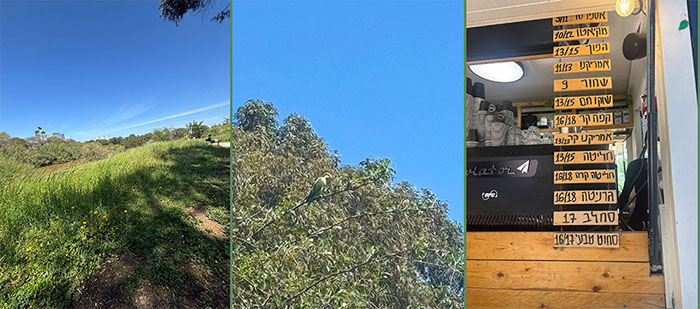
Note: During the testing period, there were days with no appointments. We used one of them to enjoy a walk in nearby Yarkon Park.
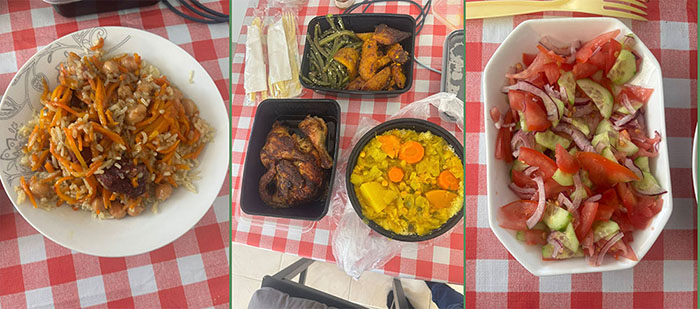
Tip: The Wolt food delivery app became one of our favorites. It could deliver almost anything, and we often ordered delicious meals.
Apheresis – Collecting the T-Cells
The next step was apheresis—collecting Raya's T-cells so they could be transformed into CAR-T cells.
We had been a little anxious beforehand because Raya's veins had always made blood draws difficult. Fortunately, everything went smoothly.
The procedure lasted about three hours. Raya had to remain connected to the machine the entire time, squeezing an inflated glove repeatedly to keep the blood flowing. It wasn't painful, but by the end she was exhausted, hungry, and very happy that it was over.
Once the procedure was completed, her T-cells were sent to the laboratory, where they would be genetically engineered into CAR-T cells. We were told this process would take about eleven days.
During that time, we completed a few additional appointments.
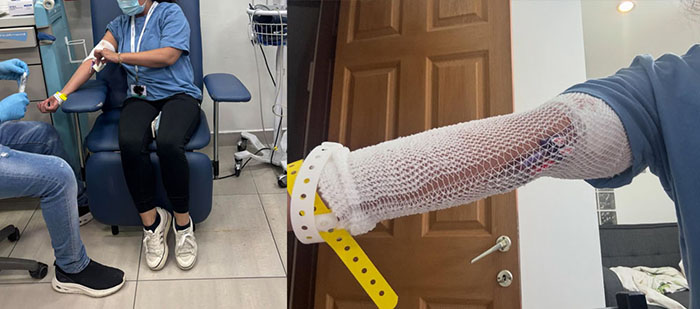
One of the final preparations was inserting a PICC line, which would later be used for blood tests, chemotherapy, medications, and the CAR-T infusion. Although we were a little nervous, the procedure was quick and much easier than we had expected.
Hospital Admission and Chemotherapy
About three weeks after arriving in Israel, it was finally time to move into the hospital.
After all the waiting, testing, and uncertainty, it felt like we were finally reaching the reason we had traveled all this way.
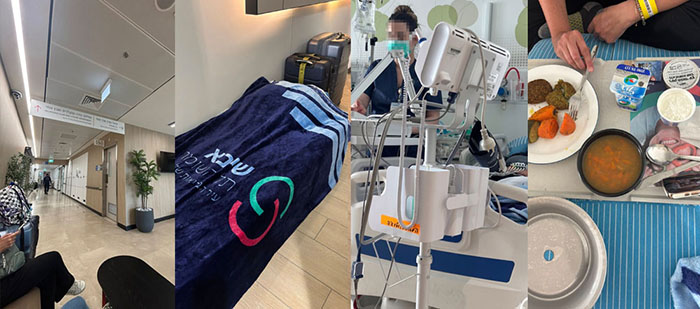
The doctors explained that before Raya could receive the CAR-T cells, she first needed several days of light chemotherapy. It's purpose was to prepare her immune system to receive the CAR-T cells.
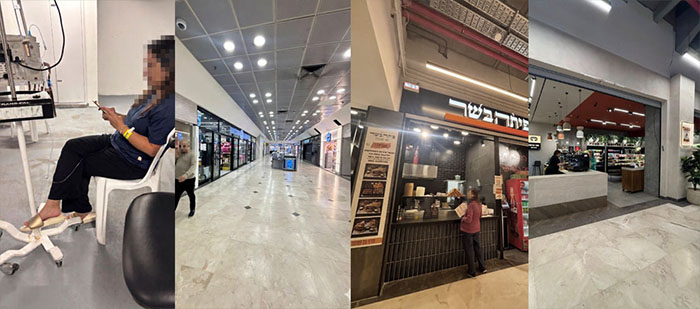
Fortunately, the treatment was easier than we had imagined. Raya felt tired, had some nausea, and didn't have much appetite, but the medical team gave her medication to help with the side effects and checked on her frequently.
CAR-T Infusion Day
After weeks of preparation, the day we had been waiting for had finally arrived.
What surprised us most was how quickly it happened.
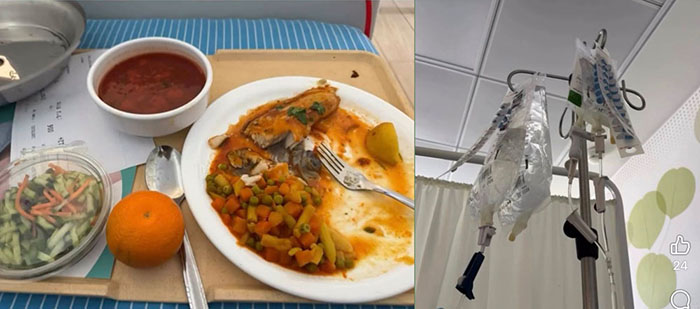
The CAR-T cells were infused through the PICC line, and the entire procedure took less than ten minutes—an infusion that we hoped would change Raya's life.
Hospitalization period
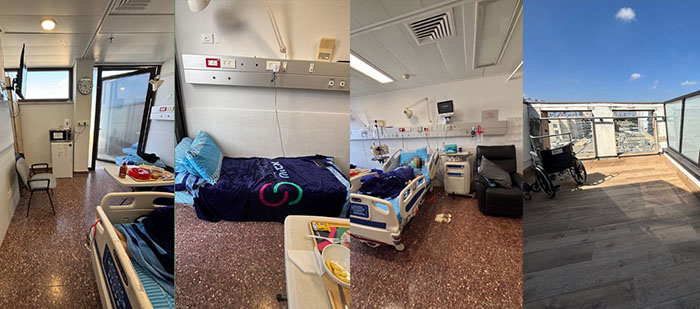
The first few days after the infusion were surprisingly quiet.
Raya felt tired and had very little appetite, but otherwise she was doing well. The doctors explained that this was normal and that the immune response often develops gradually.
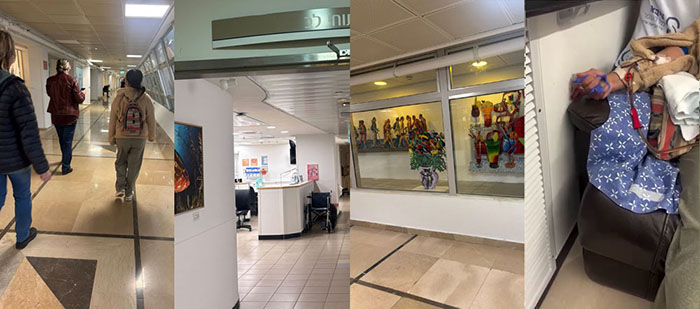
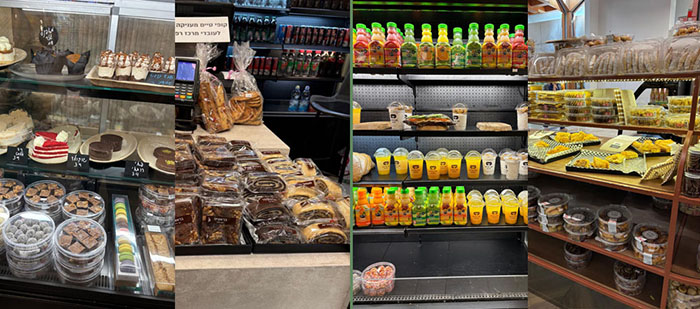
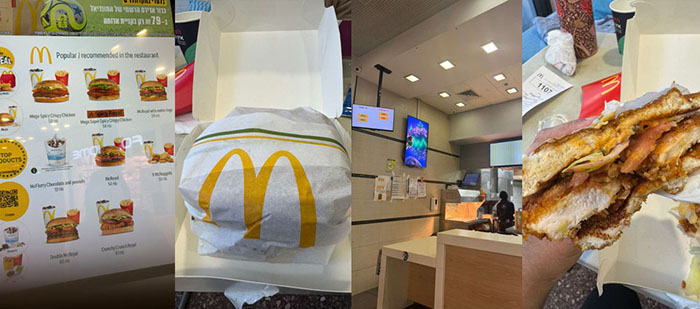
As long as her condition remained stable and her blood counts allowed it, she was free to leave the ward for short walks around the medical center. One of our favorite places quickly became the hospital mall, where we could choose from different cafés and restaurants. Those outings broke up the long hospital days, gave us a change of scenery, and helped Raya find food she felt like eating.
About a week later, things changed. Raya developed a fever, headaches, chills, and increasing joint pain. Her blood tests also showed that her white blood cell count had dropped, so she was moved into protective isolation while her immune system recovered.
Although it was frightening to see her feeling unwell, the doctors reassured us that these were known side effects of CAR-T therapy and that they were monitoring her very closely. She received antibiotics, pain medication, regular blood tests, and around-the-clock care from the medical team.
Little by little, her condition began to improve. The fever subsided, her blood counts recovered, and each day she regained more strength.
Leaving the Hospital
About two weeks after the CAR-T infusion, we finally received the news we had been hoping for: Raya was well enough to be discharged from the hospital.
It was an exciting moment, but our journey wasn't over yet.
Although Raya had been discharged, the protocol required us to remain close to the hospital for another seven days.
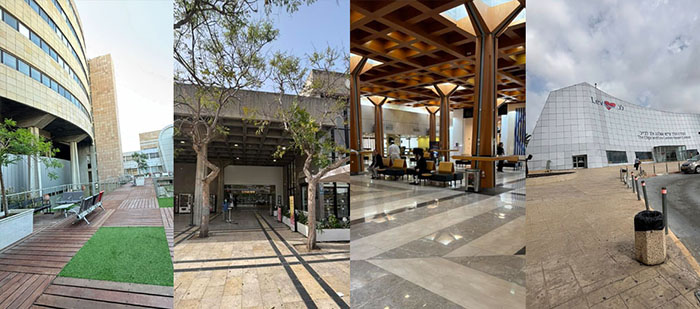
We chose to stay at the Apropo Hotel, located inside the Sheba Medical Center campus. The advantage was that, in case of an emergency, we were already at the hospital. The downside was that we were still inside the hospital campus.
During that week, we spent time walking through the hospital gardens, visiting the mall, and enjoying a meal or a coffee.
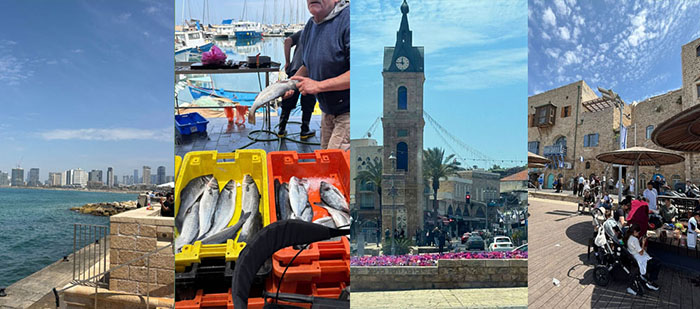
One afternoon, an Israeli Hospitals representative took us on a complimentary three-hour visit to Old Jaffa. It was wonderful to spend a few hours away from the hospital.
After a week with no significant side effects, we returned for another blood test and final consultations with Dr. Lidar, Head of Rheumatology, and Dr. Marcus, who supervised the CAR-T treatment. The results were reassuring, and we finally received the news we had been waiting for—we were cleared to fly home.
We were instructed to stay in close contact with our doctors back home and continue regular follow-up appointments, as the CAR-T process continues for several months after returning home. In lupus, there is no single test that can determine whether the treatment has been successful. Instead, improvement is assessed over time by how the patient feels, blood test results, and the gradual reduction of medications.
One of the first encouraging signs for us was that Raya was able to gradually reduce several of the medications she had depended on before treatment.
What Surprised Us
Looking back, these are the things that surprised us most:
- The CAR-T infusion itself lasted less than 10 minutes.
- Waiting for the CAR-T cells and for recovery was much harder than the infusion itself.
- Almost everyone we met at the hospital spoke English.
- The medical center felt like a small town, with cafés, restaurants, and shops that made a long hospital stay much easier.
- As long as Raya felt well and her blood counts allowed it, we could leave the ward for short walks and meals together.
- We never felt that we had to manage the process alone. Whenever we had a question—whether it was about the treatment, paperwork, or something unexpected—our Israeli Hospitals representative was only a phone call or WhatsApp message away, even in the evenings, on weekends, and during holidays.
Publication date: June 2026